As energy costs continue to rise, homeowners are increasingly turning to solar energy as a reliable and cost-effective solution. Solar power not only reduces monthly electricity bills but also supports a cleaner, more sustainable future.
What Is Solar Energy?
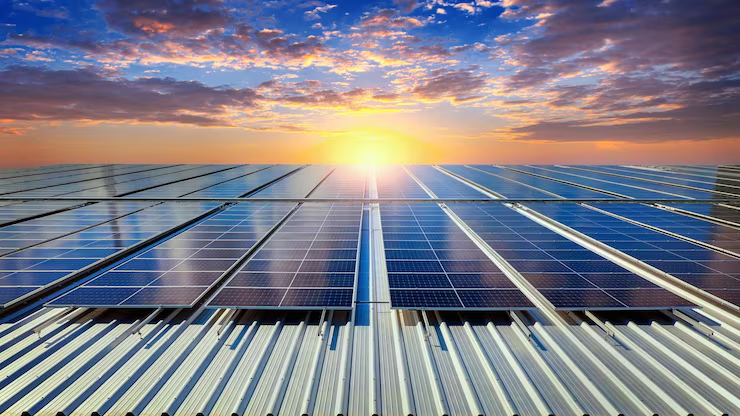
Solar energy is generated by converting sunlight into electricity using solar panels. These panels are typically installed on rooftops or open spaces where they can receive maximum sunlight throughout the day.
Related Ads:
Benefits of Switching to Solar
One of the biggest advantages of solar energy is long-term savings. Once installed, solar panels significantly reduce reliance on traditional power sources. In many regions, homeowners can also benefit from government incentives, tax credits, and net metering programs.
Solar energy is environmentally friendly. It reduces carbon emissions and helps combat climate change by lowering dependence on fossil fuels.
Is Solar Right for Your Home?
Solar works best for homes with good sunlight exposure and adequate roof space. Even in areas with moderate sunlight, modern solar systems are efficient enough to generate substantial energy. A professional solar assessment can help determine your home’s potential savings.
Understanding Solar Costs
While the upfront installation cost may seem high, solar is a long-term investment. Most systems pay for themselves over time through lower energy bills. Financing options and leasing programs make solar more accessible than ever.
The Future of Solar Energy
Solar technology continues to advance, making systems more affordable and efficient. With rising electricity prices and growing environmental awareness, solar energy is becoming a preferred choice for homeowners worldwide.
Conclusion
Investing in solar energy is a smart decision for homeowners looking to reduce costs and embrace sustainability. By switching to solar, you gain energy independence while contributing to a greener planet.